
Jakarta city government announces infrastructure priorities; aims to keep spending balanced | Insider regulation data
(The 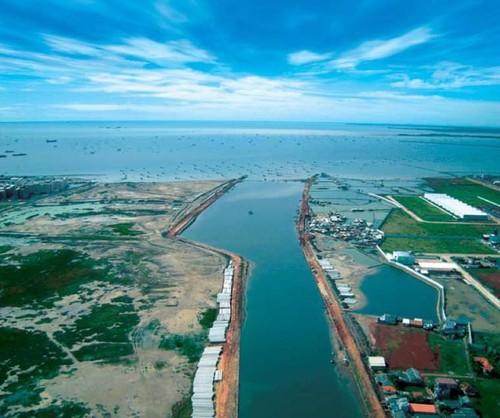 Insider Stories) — Development projects that the new Jakarta city government has identified as priorities for this year’s budget could see the city make quantifiable, lasting gains in improving its creaking infrastructure.
While Jakarta has had many ambitious infrastructure projects launched over the years only to see them fail leaving Indonesia’s capital to founder amid substandard transport, housing, education, health and sanitation efforts, the new city governor has a track record of effective leadership.
The city administration has been in office only a short time but has made goodwill efforts such as publicly releasing paperwork showing balanced operating budgets and the monthly salary receipts of the governor and deputy governor, as well as overseeing the proposed development of what could be one of Jakarta’s few modern modes of public transport.
The Jakarta city government is among a relatively few bright spots in Indonesia’s government that could provide goodwill to investors who are looking to enter Indonesia due to the opportunities its fast-growing economy and relatively conducive investment environment provide, but who are concerned that its developing-nation, frontier-style method of governance leaves them without certainty over the security of their investment.
The city government has said via its www.jakarta.go.id official website that it plans to keep spending balanced with income, which is forecast at 41.525 trillion rupiah (US$4.264 billion) that it expects to be generated from the regional economy of the Jakarta Special Capital Region, known by the local acronym DKI and including Jakarta and surrounding sub-cities, along with IDR8.455 trillion in other income.
The administration has said that its first development priority will be the Eastern Flood Canal project that aims to address frequent flooding problems caused by inadequate drainage in major parts of Jakarta city. The BKT project, as it’s known by its local acronym, is a joint project between the city administration and the Indonesian central government, it says.
The second priority is canal dredging to alleviate the problems associated with the city’s antiquated canal system which was built under the Dutch colonial government that ruled until 1945 and which frequently offers inadequate drainage.
The city government says it expects spending for this project to be IDR4.439 trillion.
The city administration says that it will prioritize construction of lakes, securing beaches from erosion and pollution, and improving other drainage systems as its third-most-important project.
The fourth-highest budget priority consists of flyovers and underpasses to alleviate Jakarta’s hellish road traffic, and then developing existing roads. In sixth place is development of the Pulogebang bus station that is intended to better integrate one of the corridors of the city’s modern busway system, located near the South Jakarta mayor’s office, with the regular system of antiquated city buses.
Continuing the development of the rest of the busway system will be seventh priority, while eighth priority will be development of a planned mass rapid transit system, it says.
After these infrastructure spending priorities are addressed, the city government says it will disburse the rest of its budget for priorities such as protection of the environment and improvements in housing and transport systems.
City deputy governor Basuki Tjahaja Purnama, known as Ahok, says the city government is in talks with the developer and operator of the planned MRT system regarding concessions it can provide to the public.
“We plan to mandate that senior citizens be able to travel for free on the Transjakarta [existing busway system], and will also try to build cheap apartments downtown in order to reduce the amount of workers [who find it necessary] to commute from other areas,” Purnama said at City Hall on Monday, March 25.
Greater Jakarta includes several satellite cities — Bogor, Depok, Tangerang and Bekasi — from which several million people commute each day to work in the city itself, a demographic anomaly that contributes heavily to extreme traffic problems in the capital.